
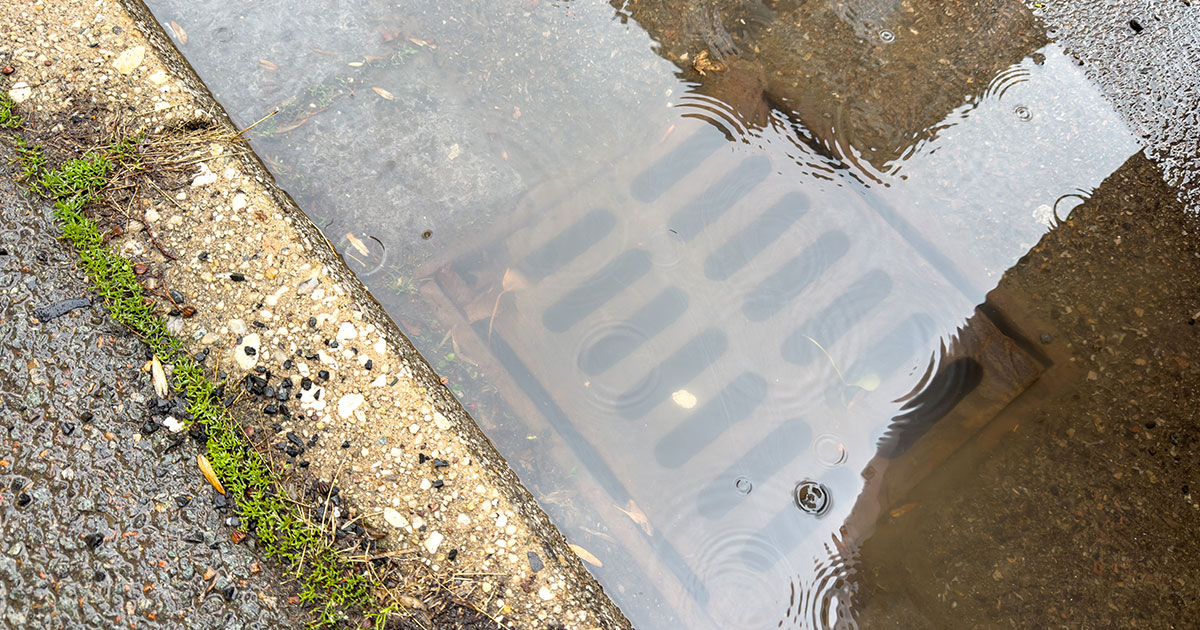
A blocked stormwater drain shows up as water pooling in the yard, overflowing gutters or pits, and water creeping towards the house during rain. Most blockages come from leaves, silt and tree roots. Clearing the drain fixes a simple blockage. If the pipe is cracked, sunken or full of roots, a stormwater pipe repair, relining or renewal stops it coming back.
The first big storm of the season is when most Sydney homeowners find out their stormwater isn’t working. Water sits on the driveway. Gutters spill over. A pit in the backyard turns into a pond.
A blocked stormwater drain is easy to ignore on a dry day. In heavy rain, it can send water under doors, into subfloors and against walls.
This guide covers the warning signs, what causes stormwater blockages, and how to get your drains sorted before the next downpour.
Water already pooling or coming inside? Call Jetstar Plumbing on 02 9073 4415. 24/7 emergency plumbing, free call-out fee.
Stormwater vs Sewer: What’s the Difference?
Your property has two separate drainage systems:
- Sewer (wastewater) carries waste from toilets, showers, sinks and washing machines to Sydney Water’s sewer network.
- Stormwater carries rain from your roof, gutters, downpipes, driveway and yard pits away from the house to the street or council system.
They must stay separate. Stormwater is not allowed to be connected to the sewer. When rainwater gets into the sewer, it can overload the system and contribute to overflows in wet weather. Sydney Water’s guide to correct private plumbing connections shows roof downpipes connected to stormwater, not wastewater.
For problems with toilets, gullies and sewage, read our guide to a blocked sewer that keeps coming back.
Warning Signs of a Blocked Stormwater Drain
Watch for these next time it rains:
- Water pooling around the house, driveway or paths
- Gutters overflowing even though they look clean
- Downpipes that gurgle, bubble or overflow at the base
- Yard pits or grated drains that fill up and spill over
- Water stains or damp on walls, garage floors or subfloors
- Erosion, sinkholes or soft ground along the pipe line
- Mosquitoes or bad smells from pits that never drain
Any of these, especially after a light shower, means the water has nowhere to go.
What Causes Stormwater Blockages in Sydney
Leaves, silt and debris
Leaves wash off the roof, down the downpipes and into the underground pipes. Add soil and sand from gardens and driveways, and the pipe slowly fills up.
Tree root intrusion
Stormwater pipes carry water, which attracts roots. Older pipes with cracks or loose joints are the easiest way in. Over time, roots can fill the pipe completely.
Cracked, crushed or sunken pipes
Ground movement, heavy vehicles on driveways and old pipe materials can break or shift stormwater pipes. Debris catches at the damaged section.
Undersized or poorly laid pipes
Some older systems were laid with too little fall or with pipes too small for the roof area. They cope with light rain but back up in a storm.
Blocked pits and grates
Grates covered in leaves, or pits full of silt, stop water getting into the system at all.
What You Can Safely Do Before Storm Season
Some basic upkeep is fine for homeowners:
- Clean gutters and leaf guards (only if you can do it safely from a stable ladder, or get help)
- Clear leaves and debris off grates and yard pit lids
- Lift pit lids and scoop out loose leaves and silt from the top of the pit
- Check downpipes for overflowing at the base during rain
- Keep garden mulch and soil away from pits and grates
Anything underground, like blocked pipes, roots or broken lines, needs a licensed plumber with proper drain-clearing equipment.
Want your stormwater checked before the next storm? Book a stormwater inspection or call 02 9073 4415.
Clear, Reline or Renew: Stormwater Fixes Compared
| Drain clearing (hydro-jetting) | Stormwater pipe relining | Stormwater pipe replacement | |
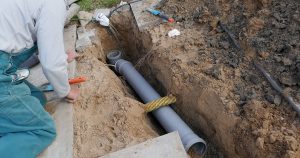
| What it does | Blasts out leaves, silt and roots with high-pressure water | Seals a new liner inside the existing pipe | Digs up and replaces the damaged section |
| Fixes damaged pipe? | No | Yes, for cracks, roots and leaking joints | Yes, including crushed or collapsed pipe |
| Digging needed | No | Little to none | Yes |
| Best for | Debris build-up in a sound pipe | Cracked or root-damaged pipe that holds its shape | Collapsed, crushed, undersized or badly sunken pipe |
| Disruption | Low | Low | Higher |
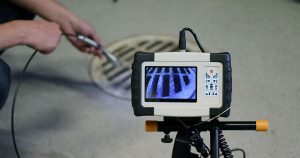
A CCTV drain camera inspection after clearing shows which option fits. It also tells us if the pipe has enough fall or needs re-laying.
Who Is Responsible for Stormwater on Your Property?
Your stormwater pipes on your property are yours to maintain. Your system should discharge to a Legal Point of Discharge (LPOD), such as the kerb or a council pipe.
As Waverley Council’s drain blockage guidelines explain, drainage issues past the legal point of discharge are council’s responsibility. If a council pit or pipe in the street is blocked, contact your local council.
What Affects the Cost of Stormwater Repairs
We quote after we’ve seen the problem. These are the main things that affect the price:
| Factor | Why it matters |
| Type of blockage | Leaves and silt clear faster than heavy roots |
| Length of pipe affected | More metres means more time, liner or digging |
| Pipe condition | Crushed or collapsed pipe usually needs replacing |
| Access points | Pits and downpipes make access easier; no access may mean digging |
| Surface above the pipe | Concrete, pavers and established gardens cost more to dig and restore |
| Extra work | New pits, grates or re-grading the pipe add to the job |
The Jetstar Plumbing Process – Step by Step
- Call or book online. Ring 02 9073 4415 or book online. Our call-out fee is free.
- Find the problem area. We check gutters, downpipes, pits and where the water is pooling.
- Clear the drain. We clear the stormwater line, usually with hydro-jetting.
- CCTV drain inspection. A camera shows roots, cracks, sunken sections or poor fall.
- Talk through your options. You see the footage and get a plain-English explanation.
- Repair or renew. We reline or replace damaged sections as needed.
- Test it. We run water through the system to check it drains freely.
Common Stormwater Mistakes to Avoid
- Waiting for a storm to test your drains. By then the water is already at the door.
- Connecting downpipes or yard drains to the sewer. It’s not allowed and can contribute to sewer overflows.
- Hosing garden waste into pits. Leaves, soil and grass clippings block pipes. Councils also warn against putting anything other than rainwater into the stormwater system.
- Covering pits with pavers or turf. If a plumber can’t get in, a simple clear can turn into digging.
- Planting thirsty trees over pipe lines. Roots go where the water is.
- Clearing only the grate. If the pipe below is damaged, the problem comes back next storm.
Why Sydney Property Owners Call Jetstar Plumbing
- 20+ years serving homes and businesses across Sydney
- Fully licensed, bonded and insured (Licence 166837C)
- 24/7 emergency plumbing, 7 days a week
- Free call-out fee and a 100% satisfaction guarantee
- Trusted by leading real estate agencies through our property maintenance program
From the Northern Beaches and North Shore to the Inner West, Parramatta and the Sutherland Shire, we help Sydney homes, strata buildings and businesses stay dry.
Frequently Asked Questions
How do I know if my stormwater drain is blocked?
Water pooling in the yard, overflowing gutters or downpipes, and pits that spill over during rain are the most common signs. Damp walls or a wet subfloor after rain can also point to a stormwater problem.
Can I unblock a stormwater drain myself?
You can clear leaves off grates and scoop debris from the top of pits. Blockages deeper in the pipe, especially roots, need a licensed plumber with hydro-jetting and camera equipment.
What causes stormwater drains to block?
Leaves, silt, soil and tree roots are the main causes. Cracked, crushed or sunken pipes make blockages more likely because debris catches at the damaged spot.
Is stormwater the council’s responsibility?
Pipes on your property are usually yours to maintain up to the legal point of discharge. Council looks after the public stormwater system past that point.
Can stormwater pipes be relined?
Yes. Stormwater pipe relining seals a new liner inside a cracked or root-damaged pipe without digging up the whole line. Badly crushed or collapsed pipes usually need replacing.
Can my downpipes connect to the sewer?
No. Stormwater and sewer must stay separate. Rainwater in the sewer can overload it and contribute to overflows.
When should I get my stormwater checked?
Before the wetter months is a good time, or any time you see water pooling, overflowing gutters or slow-draining pits.
Get Your Stormwater Ready Before the Next Storm
Don’t wait for water at the back door. Jetstar Plumbing will find the blockage, show you what’s going on inside the pipe and fix it properly.
Call 02 9073 4415 or book online. 24/7 emergency plumbing, free call-out fee, Sydney-wide.