

An overflowing sewer is one of the few plumbing problems that’s genuinely urgent, not just inconvenient. It’s a health hazard, an environmental risk, and usually the end result of a blockage that’s been building for a while. Here’s what actually causes sewer overflows in Sydney homes, and the habits that go a long way toward preventing them.
Call a residential plumber Sydney trusts on 02 9073 4415 if you’re dealing with an overflow right now — don’t wait.
Why an Overflowing Sewer Is More Serious Than a Blocked Drain
A blocked drain is a plumbing problem. An overflowing sewer is a plumbing problem that’s already become a health and environmental one. Wastewater carries harmful microorganisms, and an overflow poses a real risk to people, pets, and local waterways until it’s properly cleaned up. Sydney Water treats overflow clean-up as a regulated process, overseen by the NSW Environmental Protection Authority and NSW Health, precisely because of that risk.
What Actually Causes Sewer Overflows
- An unaddressed blockage. Most overflows start life as an ordinary blockage (tree roots, grease, hair, or foreign objects) that wasn’t cleared in time. Once the pipe is fully blocked, wastewater has nowhere to go but back up and out.
- Non-flushable wet wipes. These are a leading cause of wastewater blockages, since they don’t break down the way toilet paper does, even when labelled “flushable.”
- Fats, oils and grease poured down sinks. These cool and solidify inside pipes, gradually narrowing the space available for wastewater to flow through.
- Stormwater entering the wastewater network. During heavy rain, stormwater can enter and overload the wastewater system, which is one of the more seasonal, weather-driven causes of overflow in Sydney.
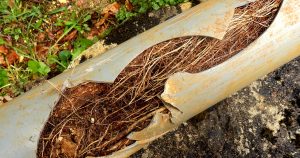
- Tree root intrusion. Roots exploit small cracks in ageing pipework, especially in older suburbs, and gradually restrict or fully block the line.
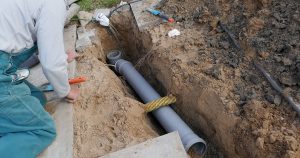
- Damaged or collapsed pipes. Structural pipe damage can trap debris and create a blockage even without any of the above factors being present.
Warning Signs Before an Overflow Actually Happens
Catching these early is usually what separates “a plumber sorted it in an hour” from “sewage in the yard”:
- Toilets, basins or baths that are slow to empty or gurgle
- A toilet that fills higher than normal before flushing
- A yard gully that bubbles or overflows when you flush or run water inside
- A persistent bad smell near drains or gullies that doesn’t go away
- Wastewater pooling near an outdoor drain or access point after normal water use
If You See an Overflow: What To Do Immediately
- Stay clear of the area. Don’t walk through it, and keep children and pets away.
- Don’t use affected fixtures. Adding more wastewater into an already-blocked system makes things worse.
- Don’t swim in or drink from any affected waterway if the overflow has reached one.
- Call a licensed plumber if the overflow is on your property. If it’s coming from a public area, like a manhole on the road or footpath, report it to Sydney Water’s 24/7 faults line instead.
Private Property vs Public Overflow: What’s Different
| Factor | Overflow on Your Property | Overflow in a Public Area |
|---|---|---|
| Who to call first | Licensed plumber | Sydney Water faults line |
| Who’s generally responsible | Property owner, for pipes up to the point of connection | Sydney Water, for the mains network |
| Clean-up regulation | Still subject to health and safety precautions | Regulated clean-up process overseen by NSW EPA and NSW Health |
| Typical cause | Blockage within your own pipework | Main line blockage or capacity issue |
How to Prevent an Overflowing Sewer
Only flush the 3 Ps. Pee, poo, and (regular) toilet paper. Everything else, including wipes marketed as flushable, is safer in the bin.
Never pour fats, oils or grease down the sink. Let them cool and bin them instead; even small amounts add up inside pipes over time.
Get recurring blockages properly diagnosed. A CCTV inspection can identify tree roots or pipe damage before they escalate into a full overflow. See our guide on diagnosing and fixing blocked drains for more detail on this step.
Address slow drains early. A slow drain today is often an overflow risk down the track if left unaddressed.
Have older pipework assessed. If your home has ageing clay pipes, particularly near mature trees, a periodic inspection can catch root intrusion before it causes a bigger problem.
Step-By-Step: Reducing Your Overflow Risk
Step 1: Audit what’s going down your drains. Wipes, grease and food scraps are common, avoidable contributors.
Step 2: Book a CCTV inspection if you’ve had recurring slow drains. This identifies the actual cause rather than leaving it to chance.
Step 3: Address any pipe damage or root intrusion found. Don’t just clear the immediate blockage; fix what’s causing it to recur.
Step 4: Know your point of connection. Understanding where your responsibility ends and Sydney Water’s begins helps you act fast and call the right people if something goes wrong.
Step 5: Keep an eye out for the early warning signs. Gurgling, slow drainage and odours are your cue to act before an overflow happens.
Common Mistakes That Lead to Sewer Overflows
- Ignoring a slow drain for weeks. This is often the lead-up to a full blockage and eventual overflow.
- Assuming “flushable” wipes are actually safe to flush. Many still contribute to blockages regardless of the label.
- Continuing to use fixtures during an active blockage. This is often what tips a blockage into an overflow.
- Not getting recurring blockages properly diagnosed. Repeated clearing without finding the cause just delays the next overflow.
- Walking through or near an overflow area. This creates unnecessary health risk exposure.
Get your drains checked before they become a bigger problem — prevention is far cheaper than an emergency call-out.
Frequently Asked Questions
- What’s the most common cause of an overflowing sewer in Sydney? An unaddressed blockage is the most common lead-up, often caused by tree roots, grease, or non-flushable wet wipes building up over time.
- Can heavy rain actually cause a sewer overflow? Yes. Stormwater entering the wastewater network during heavy rain can overload the system and contribute to overflows, separate from blockage-related causes.
- Is it safe to clean up a sewer overflow myself? No. Wastewater overflow clean-up is a regulated process due to the health risk involved, and affected areas should be avoided rather than cleaned up informally.
- Who do I call if the overflow is on my own property? A licensed plumber, since you’re generally responsible for pipes up to your point of connection with Sydney Water’s network.
- Who do I call if I see sewage overflowing on a public road or footpath? Report it to Sydney Water’s 24/7 faults line rather than treating it as a private plumbing issue.
- How can I tell if my drains are at risk of overflowing? Slow-draining fixtures, gurgling noises, and a persistent bad smell near drains are early warning signs worth acting on before they escalate.
- Does flushing “flushable” wet wipes actually cause overflows? It can. Many products marketed as flushable still don’t break down the way toilet paper does, and they remain a leading contributor to wastewater blockages.
- How often should I get my drains inspected to prevent an overflow? There’s no fixed rule, but if you’ve had recurring slow drains or live near mature trees with older pipework, a periodic CCTV inspection is a reasonable precaution.
Stop an Overflowing Sewer Before It Starts
Prevention is almost always cheaper and less disruptive than dealing with an actual overflowing sewer. Jetstar Plumbing helps Sydney homeowners diagnose the early warning signs and fix the underlying cause, not just the symptom.
Contact Jetstar Plumbing on 02 9073 4415 for a residential plumber Sydney homeowners can call before a small problem becomes a much bigger one.