
A slow-draining sink is easy to ignore, right up until it isn’t. Blocked drains are one of the most common plumbing issues across Sydney homes, including in older suburbs like Clyde where ageing clay pipework is more common. Here’s what usually causes them, the warning signs worth acting on early, and how a professional actually fixes the problem, not just clears it temporarily.
Call Jetstar Plumbing on 02 9073 4415 for fast, licensed help with blocked drains across Sydney, including Clyde.
What Actually Causes Blocked Drains
Most blockages come down to a handful of repeat offenders:
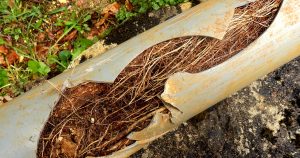
- Tree roots. Roots seek out moisture and nutrients, and they can work their way into tiny cracks or joints in older pipework, gradually filling the pipe and restricting flow. This is especially common in older suburbs with mature street trees and ageing clay pipes.
- Wet wipes and other non-flushables. Sydney Water reports that non-flushable wet wipes contribute to the large majority of wastewater blockages, since they don’t break down the way toilet paper does.
- Fats, oils and grease. These cool and harden inside pipes, gradually narrowing the space water can flow through.
- Hair and soap scum. Common in bathroom drains, building up slowly until flow is significantly restricted.
- Ageing or damaged pipes. Cracked, collapsed or misaligned sections of pipe can trap debris and cause recurring blockages, even after clearing.
Warning Signs Blocked Drains Clyde and Sydney Homeowners Should Watch For
Catching these early can be the difference between a straightforward fix and an overflow:
- Sinks, baths or toilets draining slowly
- Gurgling noises coming from drains or the toilet
- A persistent bad smell near drains, even after cleaning
- Water pooling around your feet in the shower
- A toilet that fills higher than usual or overflows
- Wastewater backing up from an outdoor gully when you flush or run water inside
If you notice a genuine overflow, that’s an emergency, not a “wait and see” situation.
Who’s Responsible: You or Sydney Water?
This trips a lot of homeowners up. As a property owner, you’re responsible for maintaining the pipes and fittings on your property up to your point of connection with Sydney Water’s network. If the blockage is within your own pipework, it’s on you to arrange a licensed plumber. If the fault turns out to be in Sydney Water’s own pipes (the mains under the street, for example), you can report it to their 24/7 faults line instead. A licensed plumber can usually tell you which situation you’re in fairly quickly.
DIY Fix or Call a Professional?
A plunger can genuinely help with a single, minor, isolated blockage, like one slow-draining sink. But there’s a point where DIY tools stop being useful and start delaying the real fix.
| Situation | DIY Might Help | Call a Professional |
|---|---|---|
| One sink draining slowly | Yes, try a plunger first | If it persists after one attempt |
| Multiple fixtures affected at once | No | Yes, immediately |
| Gurgling noises across the house | No | Yes, likely a deeper blockage |
| Recurring blockage in the same spot | No | Yes, CCTV inspection needed |
| Sewage smell or overflow | No | Yes, treat as urgent |
| Blockage after tree root growth nearby | No | Yes, roots need proper clearing |
How Professionals Actually Diagnose and Fix Blocked Drains
A proper fix goes beyond just pushing the blockage through. Jetstar Plumbing’s approach for blocked drains Sydney-wide includes:
- CCTV drain camera inspection. This shows exactly what’s causing the blockage (roots, damage, foreign objects) rather than guessing.
- High-pressure jetting. Once the cause is identified, jetting clears the blockage and flushes the line properly, rather than just punching a temporary hole through it.
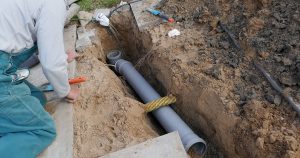
- Assessing for repair or replacement. If a section of pipe is cracked or collapsed, clearing it won’t stop the problem coming back, so the plumber will flag whether repair or replacement makes more sense.
Step-By-Step: What To Do When You Discover a Blocked Drain
Step 1: Stop using the affected fixture. Adding more water only makes an overflow more likely.
Step 2: Try a plunger for a single, minor blockage. If it’s an isolated sink or toilet with no other symptoms, this is worth a try first.
Step 3: Check if more than one fixture is affected. If your bathroom and kitchen are both backing up, that points to a bigger problem further down the line.
Step 4: Call a licensed plumber if it doesn’t clear, recurs, or affects multiple fixtures. Don’t keep trying the same DIY fix on a blockage that keeps coming back.
Step 5: Ask about a CCTV inspection. If you’ve had the same blockage more than once, it’s worth understanding the actual cause rather than clearing it again and again.
Step 6: Get a Certificate of Compliance if any pipework is repaired or replaced. This confirms the work meets required plumbing standards and matters for future insurance or resale.
Common Mistakes That Make Blocked Drains Worse
- Pouring more water down a slow drain to “push it through.” This often triggers the overflow you were trying to avoid.
- Flushing wet wipes labelled “flushable” without checking the standard. Many products marketed this way still cause blockages.
- Ignoring a recurring blockage in the same spot. This is usually a sign of a structural issue, not bad luck.
- Pouring grease or oil down the sink “just this once.” It hardens in the pipe and builds up over time.
- Waiting to call a plumber once multiple fixtures are affected. This is usually past the point where DIY tools will help.
Get a blocked drain assessed properly before a minor issue turns into an overflow.
Frequently Asked Questions
- What’s the most common cause of blocked drains in Sydney?
Non-flushable wet wipes are behind the majority of wastewater blockages, alongside tree roots, grease build-up, and hair and soap scum. - Are blocked drains more common in older suburbs like Clyde?
Older suburbs with ageing clay pipework and mature street trees can be more prone to tree root intrusion, though any Sydney property can experience a blockage. - Who’s responsible for fixing a blocked drain, me or Sydney Water?
You’re responsible for the pipes and fittings on your property up to your point of connection with Sydney Water’s network. If the fault is in their mains, you can report it to their faults line instead. - Can I use a plunger to fix a blocked drain myself?
For a single, minor, isolated blockage, it’s worth trying. If it doesn’t clear, recurs, or affects more than one fixture, it’s time to call a licensed plumber. - How do professionals find the exact cause of a blocked drain?
A CCTV drain camera inspection shows the actual cause, whether that’s tree roots, damage, or a foreign object, rather than relying on guesswork. - What if the same drain keeps blocking?
A recurring blockage in the same spot usually points to a structural issue, like a cracked or misaligned pipe, that needs proper assessment rather than repeated clearing. - What should I do if I see sewage overflowing on my property?
Stop using affected fixtures immediately, stay clear of the overflow, and call a licensed plumber straight away. If the fault turns out to be in Sydney Water’s own pipes, they can be reported separately on their 24/7 faults line.
Get Your Blocked Drain Sorted Properly
Blocked drains rarely stay small for long. Whether you’re in Clyde or anywhere across Sydney, Jetstar Plumbing uses CCTV inspection and high-pressure jetting to find the real cause and fix it properly, not just clear it for now.
Contact Jetstar Plumbing on 02 9073 4415 or visit our Blocked Drains Sydney page for fast, licensed help.